How To Work In The Environmental Field
Have you ever wondered how you can get into work in the environmental field or a non-profit?
At first glance, you might picture work being done on the land, research, or environmental education, and what makes that work possible is a deeply connected network of people, all contributing in different ways to a shared mission: connecting people in cities to nature and each other.
What’s interesting is how many of these roles exist beyond what most people expect. There’s no single “center” of the organization, just collaboration across teams. The Board of Directors works alongside staff to help guide long-term direction and strengthen community connections, while day-to-day operations are supported by teams that often work behind the scenes but are essential to everything running smoothly.
For example, IT keeps the organization functioning internally, managing systems, troubleshooting issues, and making sure staff have the tools they need. At the same time, the Marketing team focuses outward, sharing stories, building awareness, and connecting with the community. Within Marketing, graphic design shapes how those stories look and feel, and the website and database work ensures that everything people see online is accessible, engaging, and up to date. Together, these roles help translate the mission into something people can see, understand, and be part of.
Sustaining that work requires both relationships and resources. Development focuses on building connections with donors and supporters, while a Grant Writer secures funding through proposals and partnerships. Alongside them, Finance and the Bookkeeper make sure those resources are managed responsibly, creating a strong foundation that allows programs to grow and continue.

Just as important as external impact is the internal experience of the people doing the work. People and Culture (commonly known as HR) supports staff through hiring, policies, and professional development, while also shaping the overall workplace environment. Those “workplace vibes” aren’t just a bonus, they influence how teams collaborate, how supported people feel, and ultimately how effective the organization can be.
At the heart of it all is community. Community Engagement often acts as the “face of the organization,” building relationships and trust with neighbors and partners. The Volunteer Team plays a huge role here too, finding ways to recruit and retain volunteers who bring energy, time, and care into the work. Volunteers might support everything from land management and research to education and events, making them an essential part of the organization’s ecosystem.
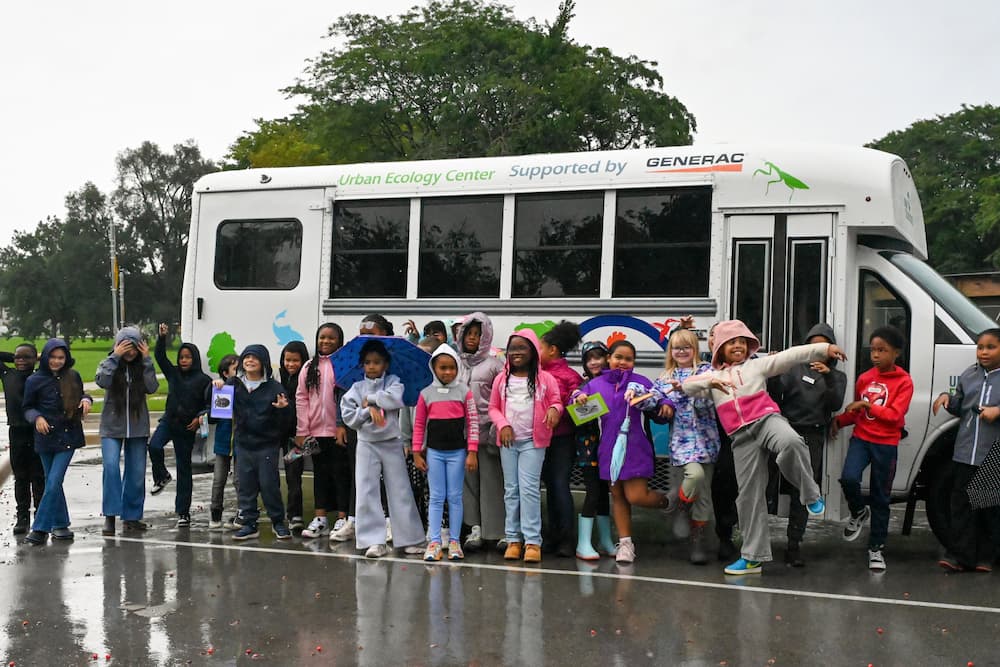
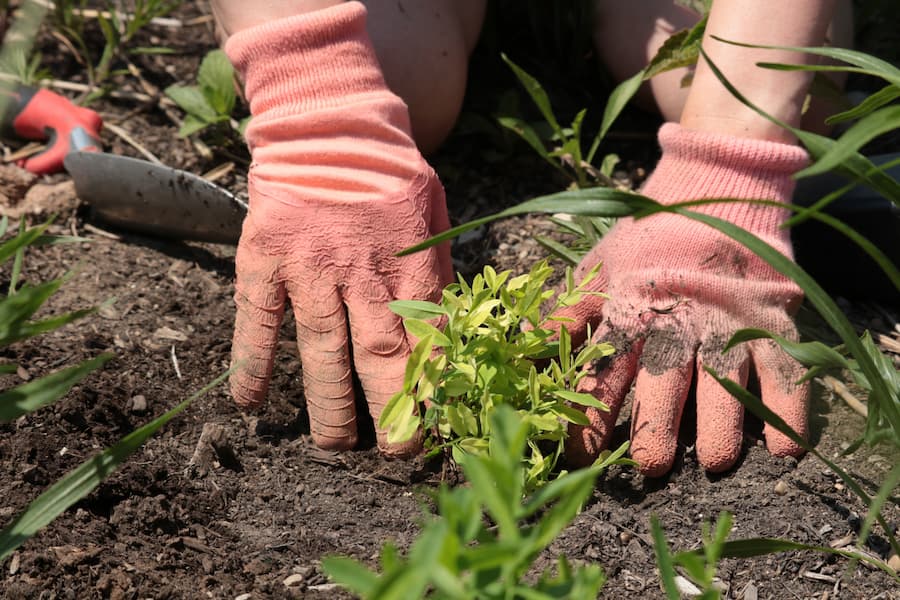
That ecosystem also includes the teams directly delivering programs and caring for spaces. Environmental Education and Community Programs create opportunities for people to learn, explore, and connect, while the Research Team helps deepen impact through data and insight. Land Management focuses on restoring and maintaining natural areas, and Facilities ensure those spaces are safe, welcoming, and functional for everyone who uses them.
Behind all of this is a commitment to learning and growing. Evaluation is important in looking at program effectiveness; what’s working, what could be stronger, and how the organization can continue to improve its impact over time.
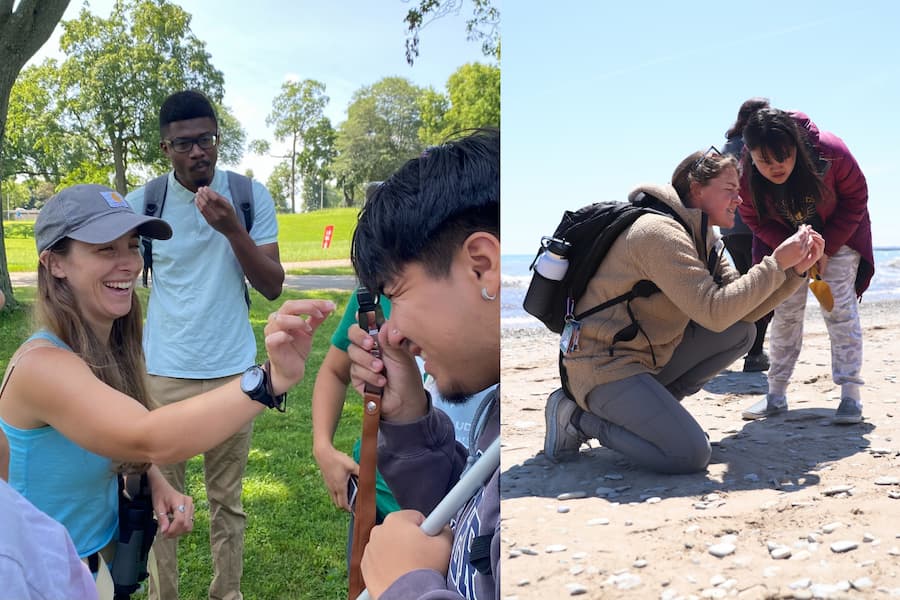
If you’re wondering how to get involved in this kind of work, volunteering is often the best place to start. Many nonprofits rely on volunteers not just for support, but as a core part of their community. Opportunities can come through schools, workplaces, or local organizations, and might include everything from environmental stewardship and research to education, events, or even reception support.
Another meaningful way to engage is through leadership opportunities like the Board of Directors or advisory committees, where community members can contribute their skills and perspectives in a different way.
When you step back, what stands out isn’t just the number of roles, it’s how interconnected they all are. Whether your interests are in science, communication, finance, technology, or working directly with people, there’s a place for that passion in nonprofit work. And when all of those pieces come together, they create something much bigger than any one role could on its own.


.jpg)
.jpg)
.jpg)