How To Have A Native Garden In Urban Spaces. No Yard? No Problem!
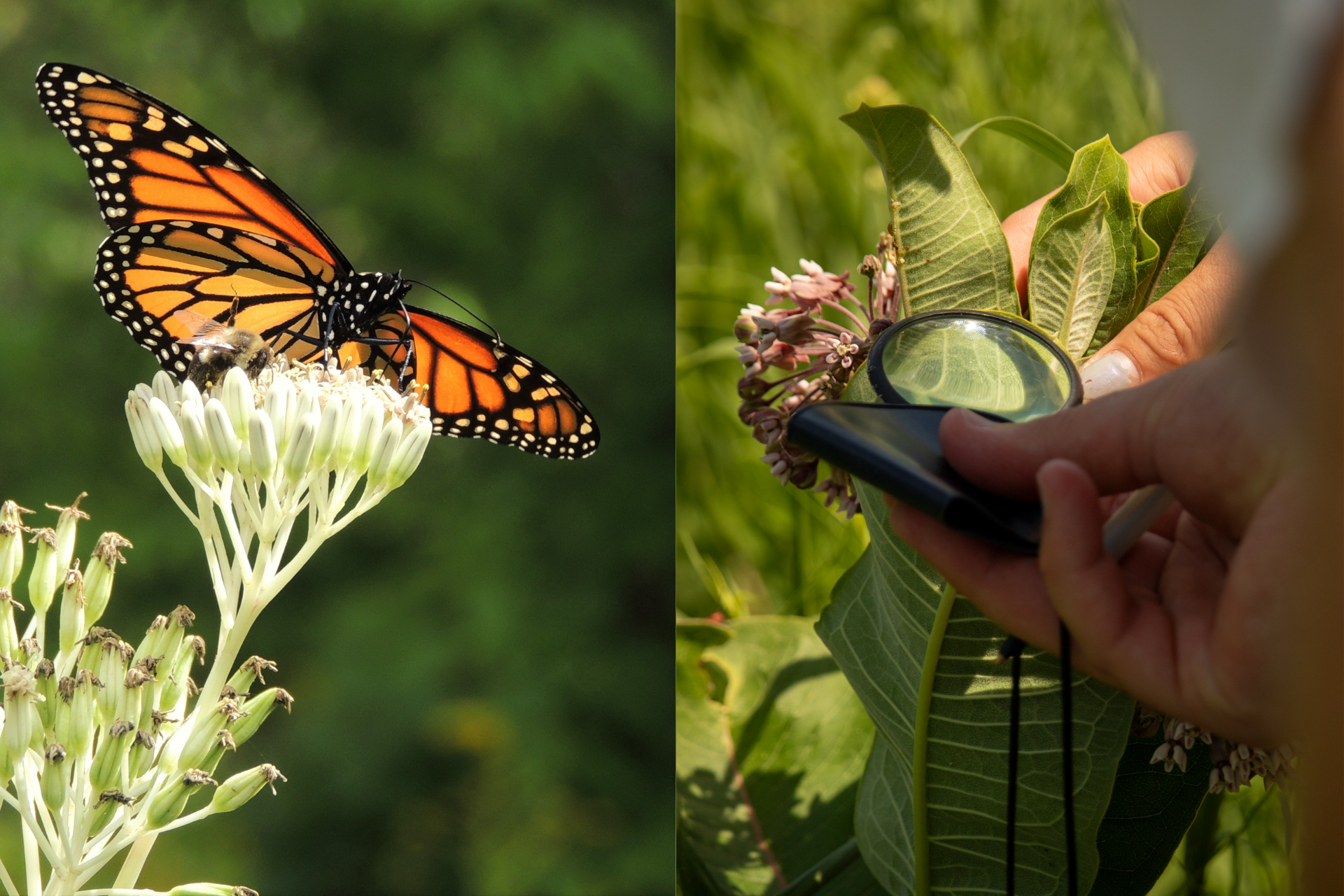
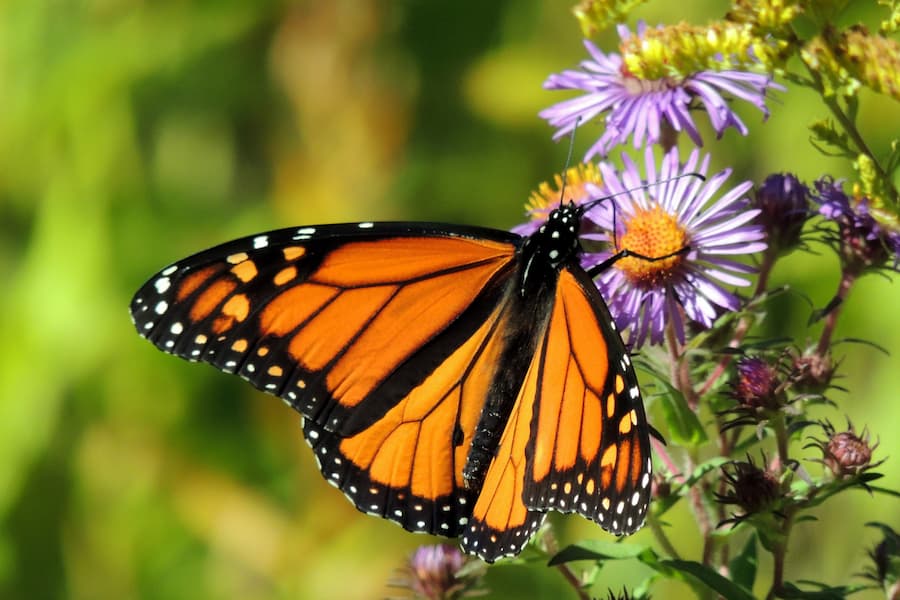
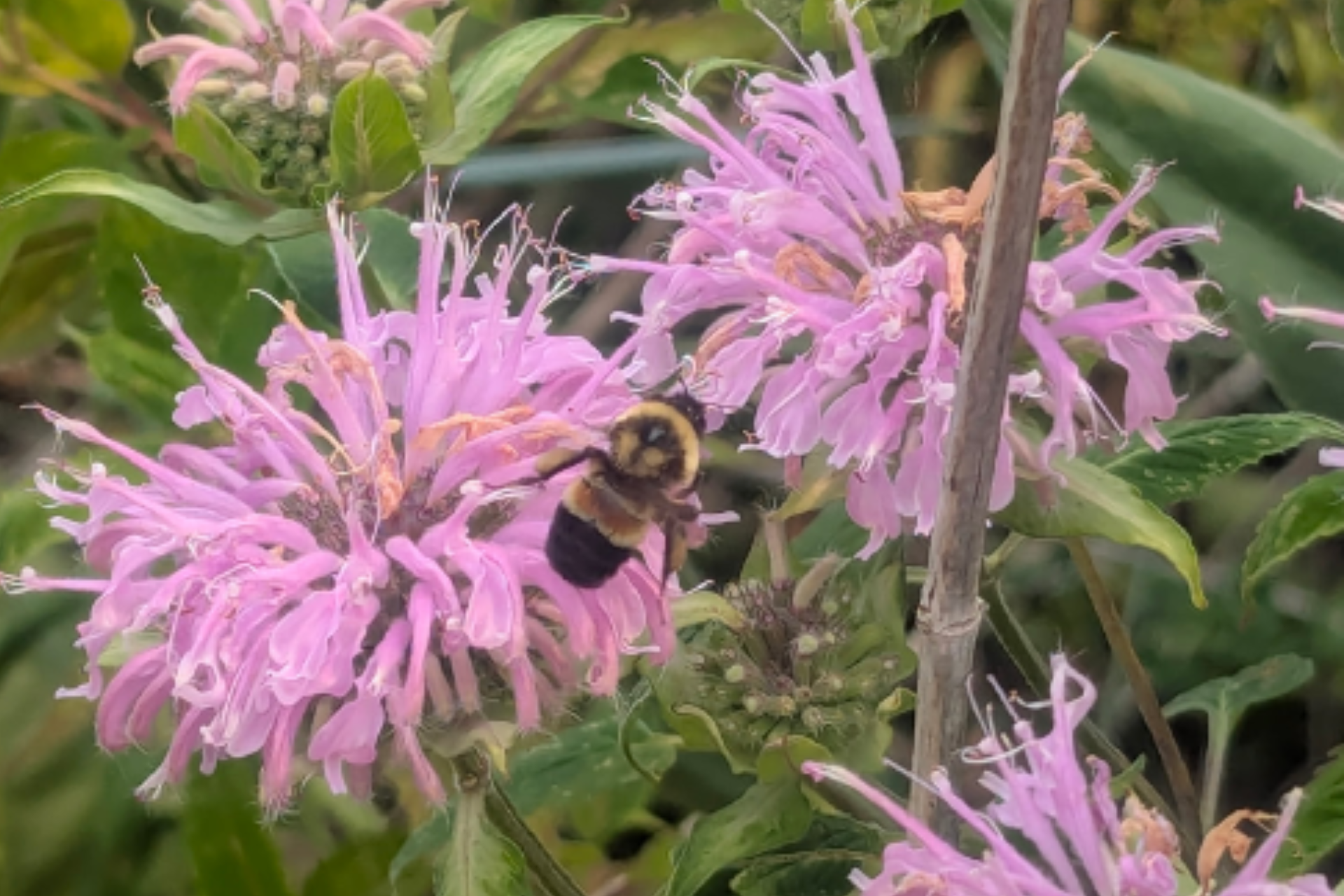
Native plants and gardens are gaining popularity. Maybe you’re seeing them pop up in your neighborhood, as more and more people recognize the wide variety of benefits native plants have to offer. Most notably, native plants have special relationships with our most beloved local wildlife, providing food and shelter. For example, you can plant whorled milkweed (Asclepias verticillata) to attract monarch butterflies or prairie phlox (Phlox pilosa) to bring in hummingbirds and bees.
Many native plants are perennials that survive our cold Wisconsin winters and pop up year after year with stunning blooms. Wild columbine (Aquilegia canadensis) is a favorite in many gardens. Native plants are also adapted to our local climate, and once established, are incredibly resilient against droughts and flooding.
If you don’t have a yard but are lucky enough to have a balcony or patio, you too can have your own native garden and support our local urban ecosystem. Container gardens can also be a great option for those needing something more accessible or low-maintenance.
Here’s what you’ll need:
- Container(s) with drainage holes
- Aim for a depth of at least 6 inches, the bigger the better!
- Thin plastic and terracotta pots are prone to break during winter, opt for containers made with metal, hard plastics, fabric, or wood.
- Soil
- Potting soil
- Potting soil helps retain moisture better than a potting mix. Since the plants aren’t in the ground, their soil will dry out faster and require watering.
- Potting soil
- Insulation
- Foam
- Adding a layer of foam to the inside of containers before planting helps plants overwinter, as the foam insulates their roots from cold temperatures that they wouldn’t feel underground.
- Mulch
- Adding a thin layer of mulch in summer helps containers retain their moisture. In winter, mulch also acts as an insulator.
- Burlap
- Wrapping containers in burlap in winter is another great way to help insulate plants.
- Foam
- Native Plants! What to Consider:
- Sunlight
- It’s important to know how much sunlight your outdoor area gets when selecting plants.
- For sunny locations, prairie plants like prairie dropseed (Sporobolus heterolepis), anise hyssop (Agastache foeniculum), and button blazing star (Liatris aspera) are excellent choices.
- In areas that get less than 4 hours of sunlight, opt for shade-loving species like Jacob’s ladder (Polemonium reptans), plains oval sedge (Plains Oval Sedge), and short’s aster (Symphyotrichum shortii).
- It’s important to know how much sunlight your outdoor area gets when selecting plants.
- Water
- Plants that require dry-moist soil conditions will do best in containers.
- Root System
- Plants with taproots are less likely to survive overwinter when grown in containers. Fibrous roots, bulbs, and corms are the way to go!
- Sunlight
Looking for some guidance on what native plants you should buy? Our next Native Plant Sale is at Washington Park on Saturday, September 12th from 9am-1pm. Native plant experts from the Urban Ecology Center and Prairie Future Seed can help you craft an arrangement of native plants for your container gardening needs.
Already know which plants you want to get your hands on? Pre-ordering begins September 2, 2026 on the Prairie Future Seed Company website.
A portion of the profits go directly to the operations of our Land Management team, so you’re helping put more native plants into our parks as well!


.jpg)
.jpg)
.jpg)