Researching Monarch Migration in a Whole New Way
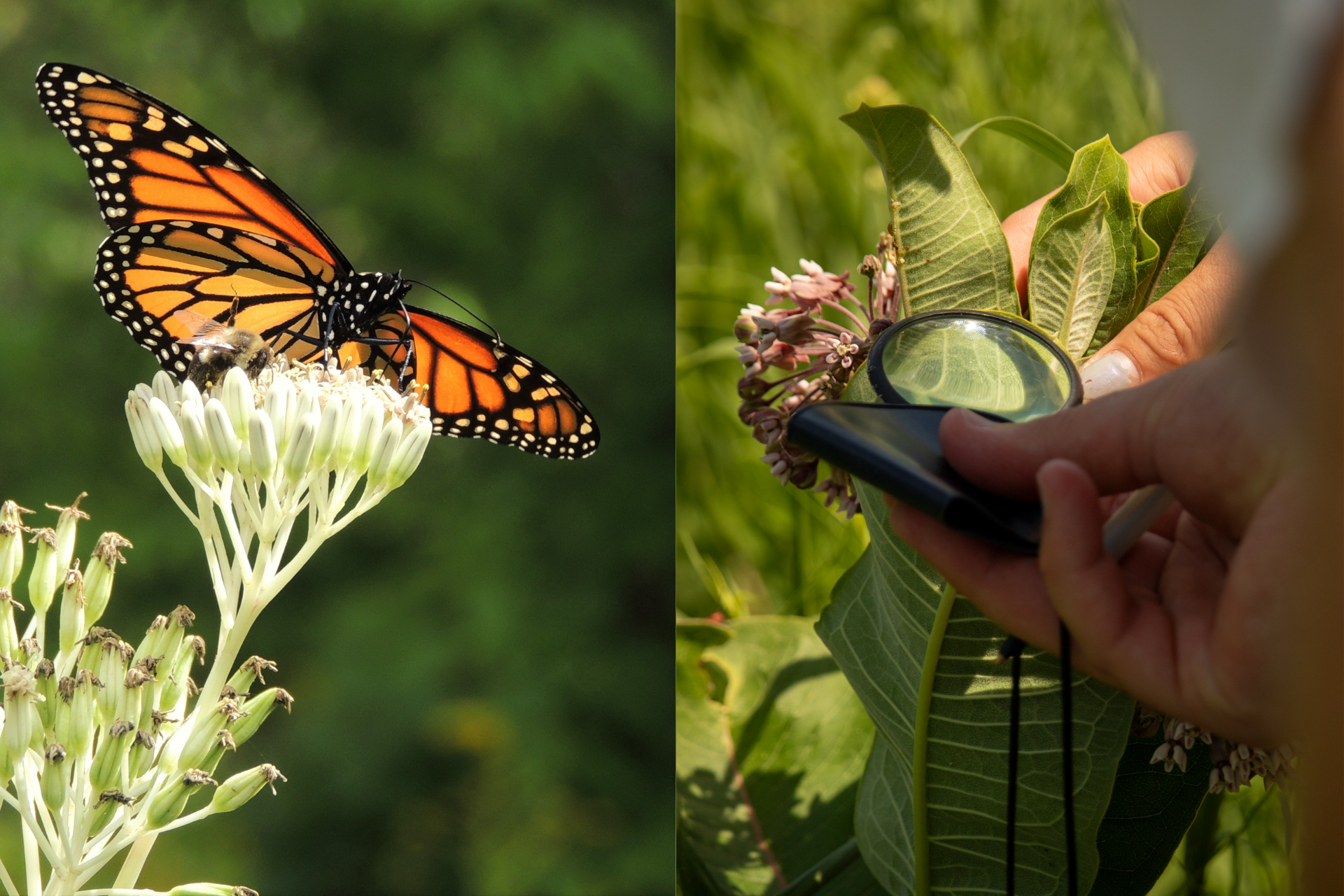
For retired UWM professor Steve Frost, curiosity has always been a reason to look closer. For the past five years, that curiosity has led him deeper into the world of monarch butterflies, from observing eggs and caterpillars in his garden to tracking migration and connecting with researchers across North America.
When Steve learned about new Blu+ radio tagging technology that can track individual monarchs in real time during migration, curiosity sparked action. He wanted to know what Wisconsin monarchs could teach researchers about the journey.
.jpg)
Steve reached out to organizations across the state, looking for a partner who could help bring radio tagging to Wisconsin. When he connected with the Urban Ecology Center’s Research team, his curiosity officially became a collaborative research effort. Together, they worked through the logistics of using this new technology and brought this exciting research opportunity to Wisconsin for the first time.
Thanks to generous UEC donors, 14 radio tags were deployed on monarchs this September. These tiny, solar-powered tags weigh just 0.06 grams, lighter than a grain of rice, and are carefully attached to the thorax of a butterfly.
As the monarchs begin their journey to Mexico, their tags will send radio signals to bluetooth devices along their path. Each connection adds a new piece to an interactive map, tracking monarchs traveling from Canada and across the Midwest.
“Milwaukee is now an important data point in a huge collaborative effort,” Steve explains.
For Steve and other scientists, every tagged butterfly is an opportunity for discovery: How do monarchs navigate thousands of miles? Where do they stop to rest and feed? How do weather and landscape shape their journey? And perhaps most importantly, what can we learn that will help us protect monarchs along the way?
Steve hopes his experience inspires other community scientists to follow their own curiosity. “Everybody can be involved,” he says. Whether you plant native flowers, observe monarchs in your neighborhood, or participate in community science with a local organization, your curiosity can contribute to something much bigger. You can follow UEC monarchs and all tagged monarchs in this collaborative project on the Project Monarch app.
Interested in volunteering with the UEC research team?


.jpg)
.jpg)